PEACE INNOVATION LAB AT STANFORD
Designing measurable positive peace.
We develop behavioral frameworks, data standards, and applied methods that help institutions design for trust, cooperation, resilience, and mutual benefit across difference boundaries.
Peace is a system capability.
We provide the frameworks and tools to build it.
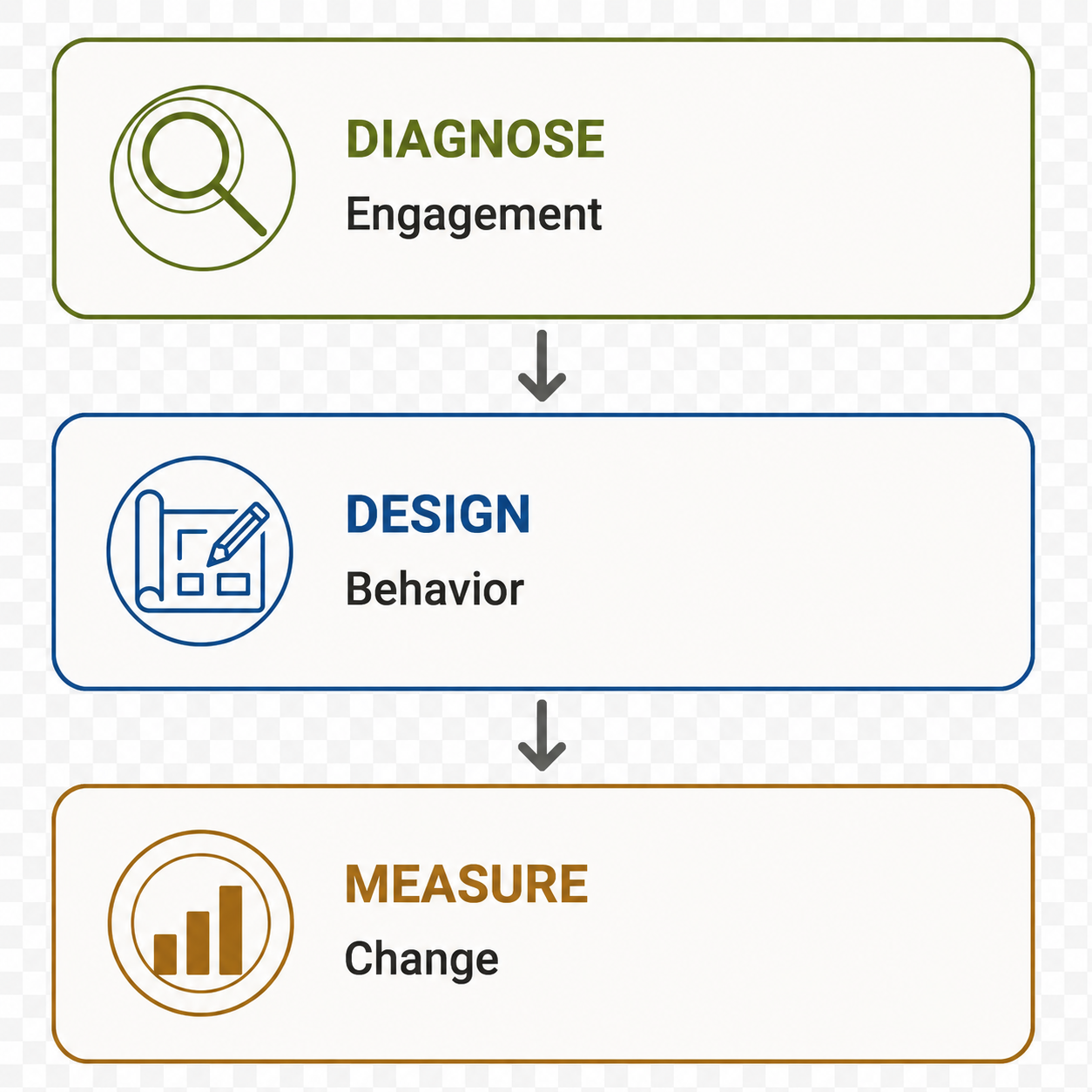
A Connected System for Designing Positive Peace
Three interlocking resources help teams move from understanding to action to learning.
Engagement Framework
Understand the system
See how engagement moves from awareness and contact to cooperation, collaboration, and collective intelligence.
Engagement diagnosis
Relationship gaps
Cooperation opportunities
The Peace Canvas
Design a testable intervention.
Translate system values into a priority behavior, a practical intervention, and a learning plan.
Shared system map
Priority behavior
Testable intervention
Learning plan

Peace Data Standard
Build an evidence system
Decide what evidence to collect, how to structure it, and how to evaluate change over time.
Indicators
Data sources
Longitudinal evidence
Ethical measurement

Workshops and Programs
Culture by Design
Turn values and strategic intentions into repeatable behaviors, operating practices, and cultural conditions.
Explore Culture by Design
Creating Extraordinary Customer Experiences
Design customer and employee interactions that create reciprocal value, trust, and durable engagement.
Leading in the Age of AI
Strengthen leadership judgement, redesign work, and build institutional capacity for responsible AI adoption.


-
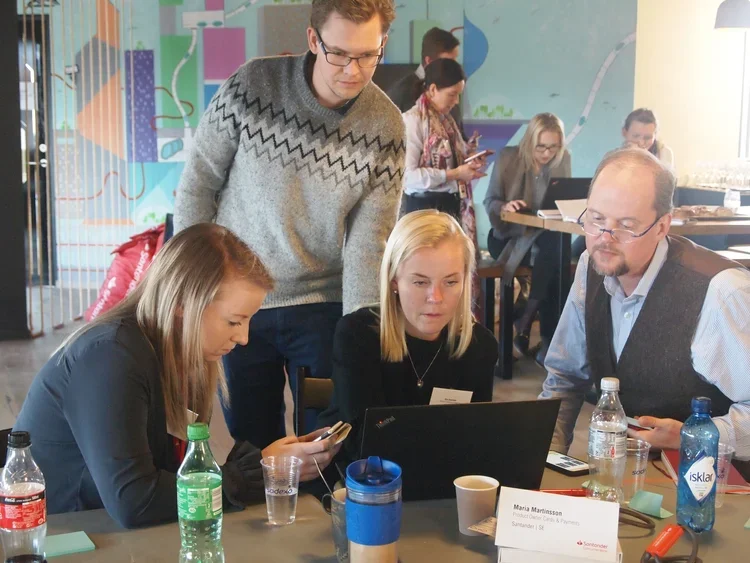
Culture by Design
Most organizations inherit culture by accident. At Stanford’s Peace Innovation Lab, we help leaders design culture intentionally — using behavior design, game design thinking, innovation frameworks, and peace-positive metrics to make culture a daily practice rather than a slogan.
The result is not just culture change, but culture you can measure, sustain, and continually improve.
-
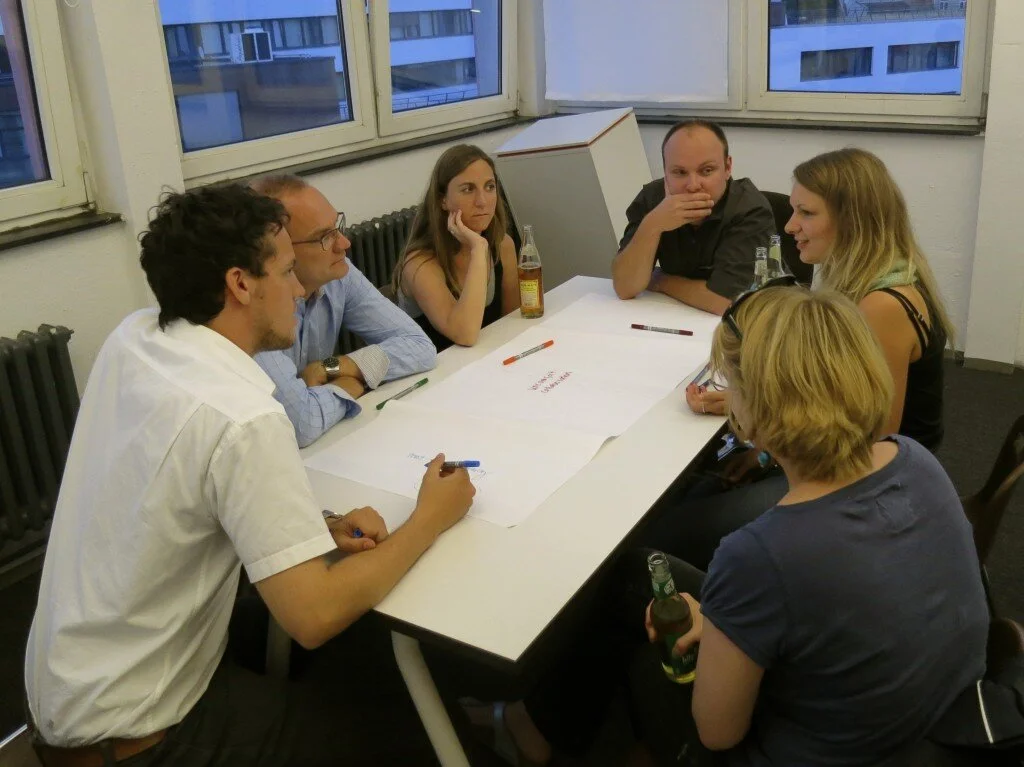
Creating Extraordinary Customer Experiences
Customers remember how you made them feel. Extraordinary experiences are not accidents — they’re the result of deliberate design.
This program equips your team with systematic methods to create customer interactions that build trust, loyalty, and long-term value.
-
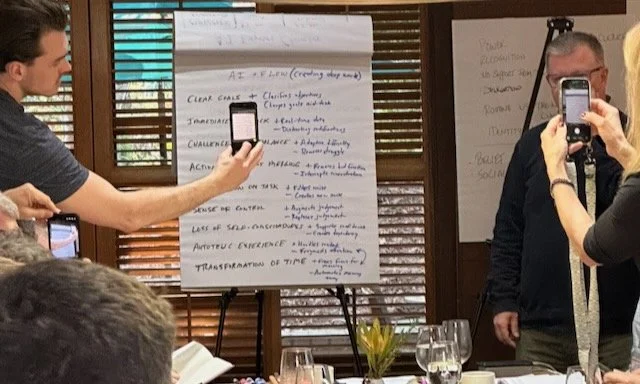
Leading in the Age of AI
Turning technological change into disciplined action.
AI is changing what organizations can do, but leadership still depends on judgment, coordination, and trust.
This workshop helps leaders understand where AI creates real leverage, where it introduces risk, and how to design systems that translate strategic decisions into daily behavior.
Applied Research
Built through field experiments, not theory alone.

PeaceDot / peace.facebook
Platform-scale experiments to understand and improve online engagement across difference boundaries.

Manor Labs
Behavioral and organizational experiments inside institutions to strengthen cooperation and implementation.
Cloud to Street
A collaboration with Egyptian democracy activists, Stanford students, and Silicon Valley innovators during the Arab Spring.
Current focus: AI and strategic foresight
Applying AI, systems analysis, and scenario modeling to anticipate disruption, map dependencies, and strengthen institutional resilience.
Collaborate
Build the conditions for durable cooperation.

Discuss a research collaboration
Co-develop frameworks and field experiments.
Advance the science and practice of peace.
Ideal for universities, foundations, and public institutions.

Explore organizational programs
Design and implement evidence-based programs, training, and tools.
Build capability for collaboration at scale.
Ideal for governments, companies. and civic organizations.
Quisque iaculis facilisis lacinia. Mauris euismod pellentesque tellus sit amet mollis.