PEOPLE & LINEAGE
The people behind Peace Innovation Lab
Peace Innovation Lab is led by a small active team and shaped by a wider network of behavior designers, technologists, social scientists, civic innovators, entrepreneurs, and peace practitioners.
We study how people engage — and how systems can be designed to make constructive, mutually beneficial engagement more likely.
OPERATING MODEL
How the Lab Works
Peace Innovation Lab operates as a compact applied research and design network. A small active team leads the work, drawing on Stanford intellectual lineage, field experiments, organizational partnerships, and collaborators across disciplines.
PIL works through projects: defining behavior, testing interventions, measuring engagement, and turning what is learned into reusable frameworks.
CURRENT LEADERSHIP
Active Team
-
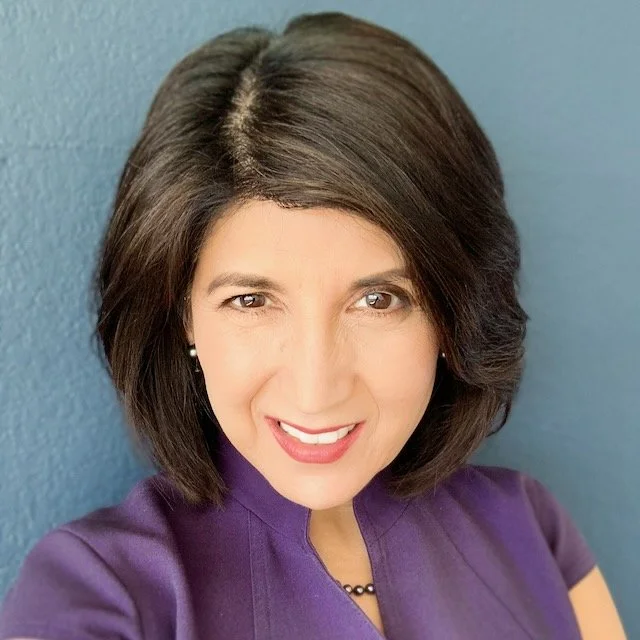
Margarita Quihuis
Executive Director
Leads behavior design, innovation strategy, partnerships, executive education, and applied peace innovation programs. -
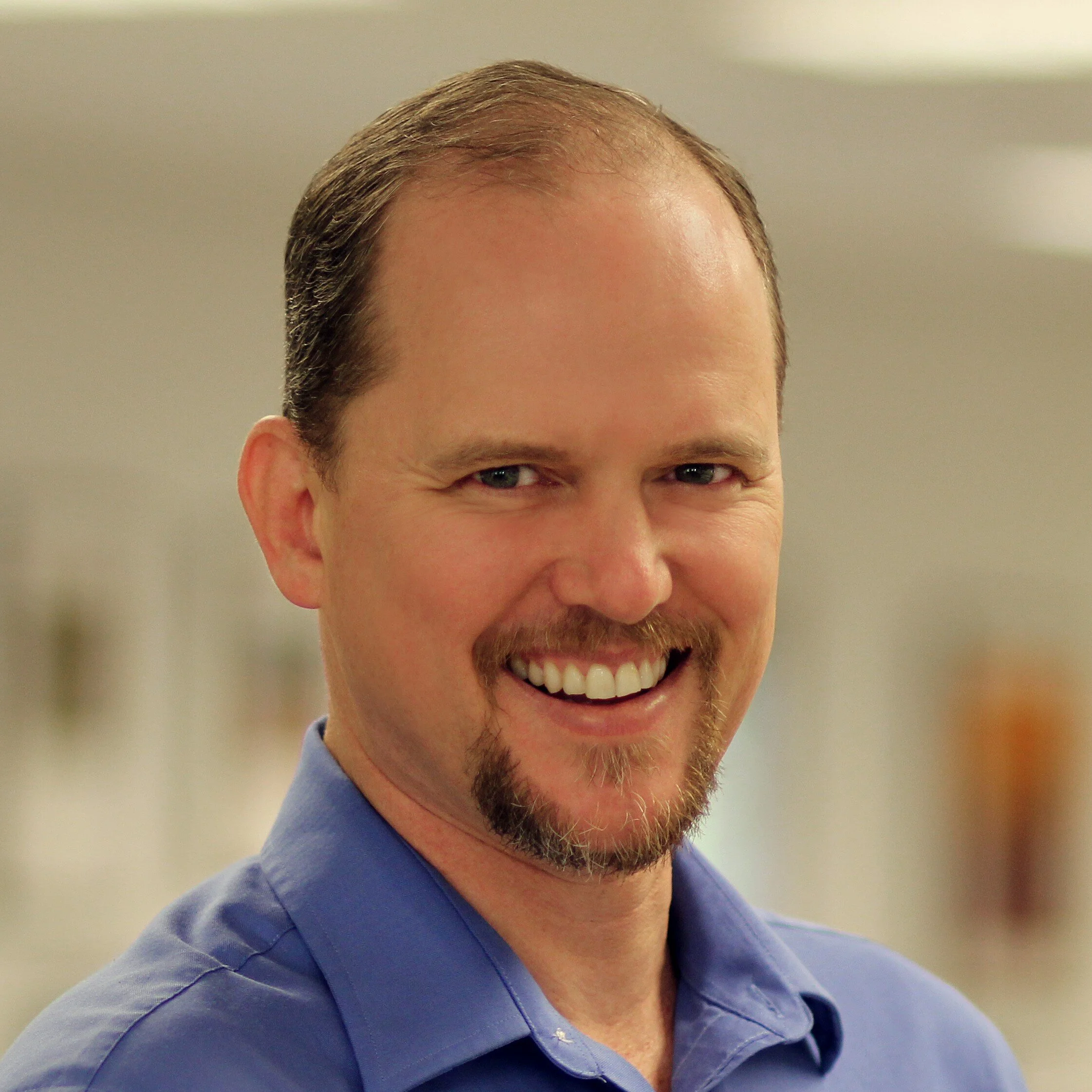
Mark Nelson
Co-Founder & Director of Innovation
Develops quantitative frameworks for positive engagement, Peace Data, and measurable behavior across difference boundaries.
-
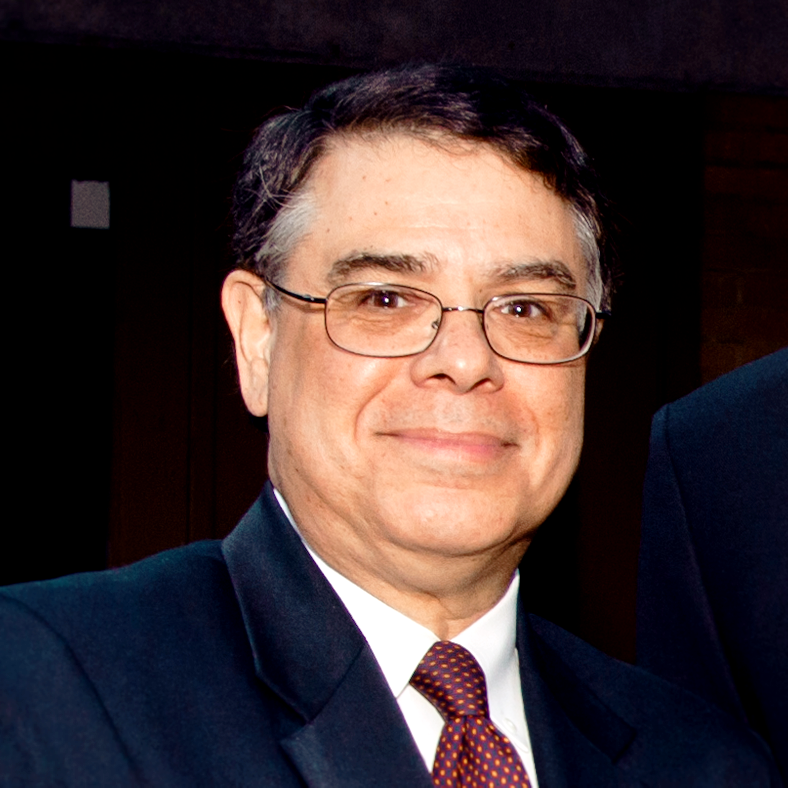
Michael Lopez
Strategic Partnerships
Builds strategic partnerships, organizational pathways, and applied opportunities for PIL frameworks and programs.
-
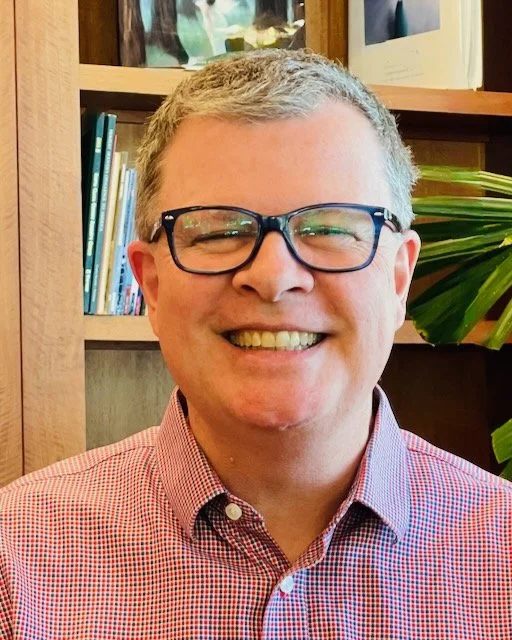
Chris Bennett
Engagement Architect
Applies engagement architecture, engagement loops, and interaction design into designed behavior.
FOUNDING & INTELLECTUAL LINEAGE
From Persuasive Technology to Peace innovation
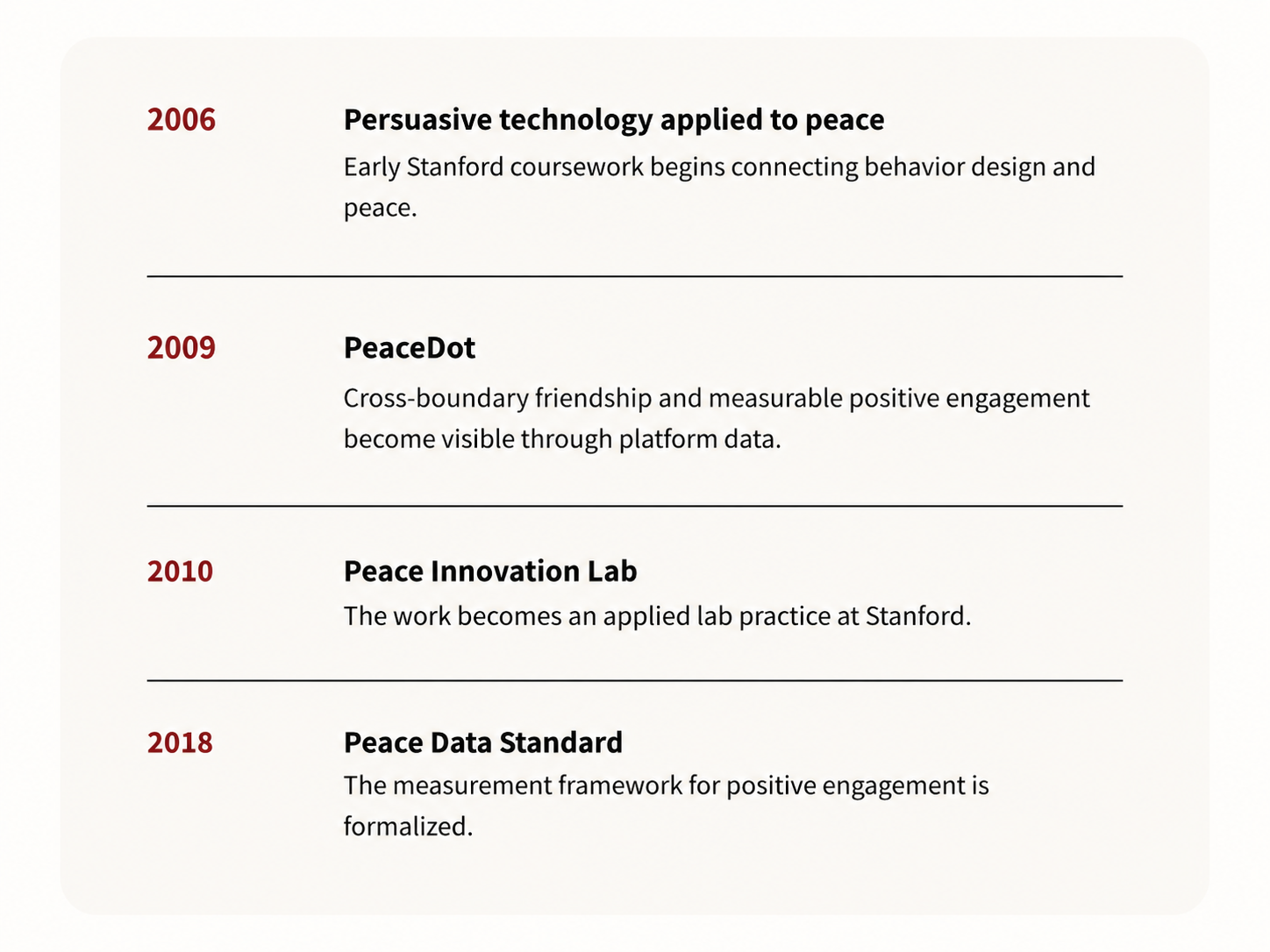
Peace Innovation Lab emerged from Stanford’s persuasive technology and behavior design lineage. BJ Fogg first explored the application of persuasive technology to peace through Stanford coursework in 2006 and 2008. That work helped catalyze PeaceDot in 2009 and contributed to the formation of Stanford Peace Innovation Lab in 2010.
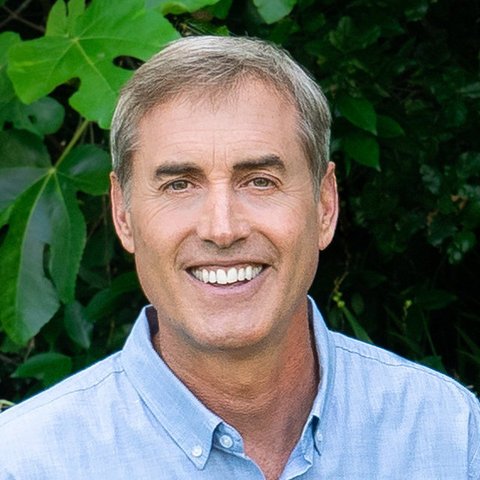
BJ Fogg
Founder, Stanford Persuasive Technology Lab / Behavior Design Lab
Intellectual lineage: persuasive technology, behavior design, and the study of how computing systems shape human beliefs and behaviors.
COLLABORATIVE NETWORK
Research & Practice Network
PIL’s work has always depended on interdisciplinary collaboration. Across projects, fellows, advisors, and partners have contributed expertise in behavior design, social psychology, civic innovation, governance, organizational transformation, peace engineering, finance, AI, and systems thinking.
SELECTED ADVISORS, FELLOWS & PARTNERS
Annie Gentes, Graduate School of Engineering Telecom ParisTech, Paris
Rosanna Guadagno, Associate Professor, Persuasive Information Systems, University of Oulu
Karen Guttieri, Army Cyber Institute
Joseph Hughes, Distinguished University Professor, Drexel University
Paul Iske, Professor Individual and Organizational Learning at Maastricht University and Stellenbosch University
Saumitra Jha, Associate Professor of Political Economy, Stanford Graduate School of Business
Ramiro Jordan, Professor, Electrical and Computer Engineering, University of New Mexico
Amy Robyn Krystosik, MPH, PhD, Post-Doctoral Scholar, Stanford School of Medicine
Michael R. Hanneken, Sr. Fellow, Peace Innovation Lab
Ryan Mayfield, Entrepreneur-in-Residence
Saurabh Mishra | Fellow, Peace Innovation Lab, Researcher AI Index Program Stanford Institute for Human-Centered Artificial Intelligence
Göte Nyman, Professor of Psychology, University of Helsinki, Finland
Timo Nyberg, Senior Research Fellow, Aalto University, Finland
Alex Soojung-Kim Pang | Associate Fellow at Oxford University's Saïd Business School
Piero Scaruffi | Cultural Historian
Lisa Schirch, Professor of the Practice of Peacebuilding and Technology, Starmann Chair in Peace Studies at University of Notre Dame, Research Fellow at Toda Peace Institute
Patrick Tague, Associate Teaching Professor at Carnegie Mellon University
Allen S. Weiner, Director, Stanford Program in International and Comparative Law; Co-Director, Stanford Center on International Conflict and Negotiation
Gabrielle Wong-Parod, Assistant Professor of Earth System Science and Center
Fellow at the Woods Institute for the Environment, Stanford University